
Catia V6 became 3DExperience
CATIA V6 was the sixth generation of Dassault Systèmes’ CAD software, built around online collaboration and integrated product lifecycle management (PLM). Today it lives on as 3DEXPERIENCE CATIA. In this article we explain when V6 came out, how it became 3DEXPERIENCE, and what that means for companies still working with CATIA V5.
Need help quickly from reverse engineering experts? Contact the engineers at MAKO GmbH.

When was CATIA V6 released?
Dassault Systèmes announced the V6 platform in January 2008 and released the first version, V6R2009, in June 2008. A second release, V6R2009x, followed in November 2008. From then on, V6 was updated with yearly releases (R2010, R2011x, R2012 and so on).
What made CATIA V6 different from V5?
CATIA V5 (1998) is mostly file-based: you save parts and assemblies as files and manage them yourself or with an add-on PDM system. V6 changed that:
- Built-in PLM: design data is stored in a central database (ENOVIA) instead of loose files, so everyone works on the latest version.
- Collaboration: teams in different locations can work on the same product at the same time.
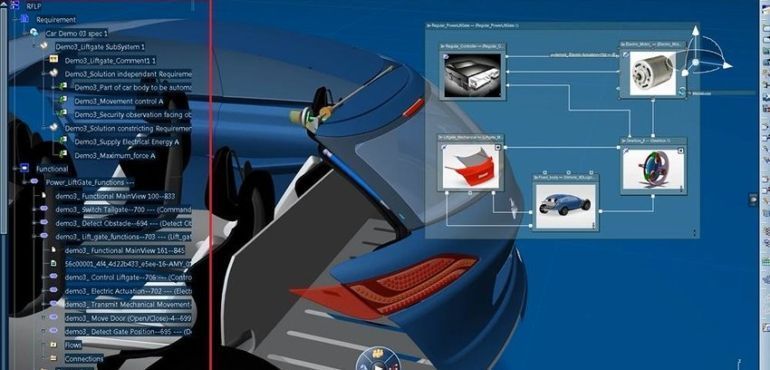
- Beyond geometry: with the RFLP approach (Requirements, Functional, Logical, Physical), V6 links the 3D model to requirements and system behaviour, not just shape.

From V6 to 3DEXPERIENCE
With the 2014 release, Dassault Systèmes brought its tools together on the 3DEXPERIENCE platform. CATIA V6 is effectively the foundation of 3DEXPERIENCE CATIA, and the “V6” name gradually disappeared. Releases are now named by year. The current one is R2026x.
On the platform, CATIA works directly with Dassault’s other tools: ENOVIA (data management), SIMULIA (simulation) and DELMIA (manufacturing). It is also available in the cloud and in the browser.
What does 3DEXPERIENCE CATIA offer?
- Engineering: design of parts and assemblies for every kind of mechanical product
- Design & styling: surfaces and shapes for products, vehicles and consumer goods
- Systems engineering: modelling and simulating complex product behaviour (mechanical, electrical, software)
- A new interface: the “action bar” shows only the commands for the current task, grouped by real workflows
- AI assistance: recent releases add AI-supported design and in-app guidance

CATIA V6 vs. 3DEXPERIENCE vs. V5 at a glance
| CATIA V5 | CATIA V6 | 3DEXPERIENCE CATIA | |
|---|---|---|---|
| Released | 1998 | 2008 | 2014 onwards (now R2026x) |
| Data storage | Files | Database (ENOVIA) | Platform database, on-premise or cloud |
| Collaboration | Via files / PDM | Built in | Built in, also in browser |
| Still in use? | Yes, very widely | Replaced by 3DEXPERIENCE | Current product |
Should you switch from V5?
Many suppliers stay on V5 because their customers require it. Others move to 3DEXPERIENCE to get central data management and collaboration. Either way, the question often comes up of what to do with old parts that only exist physically, or as outdated CATIA V4/V5 data.
MAKO GmbH: CATIA data from real parts
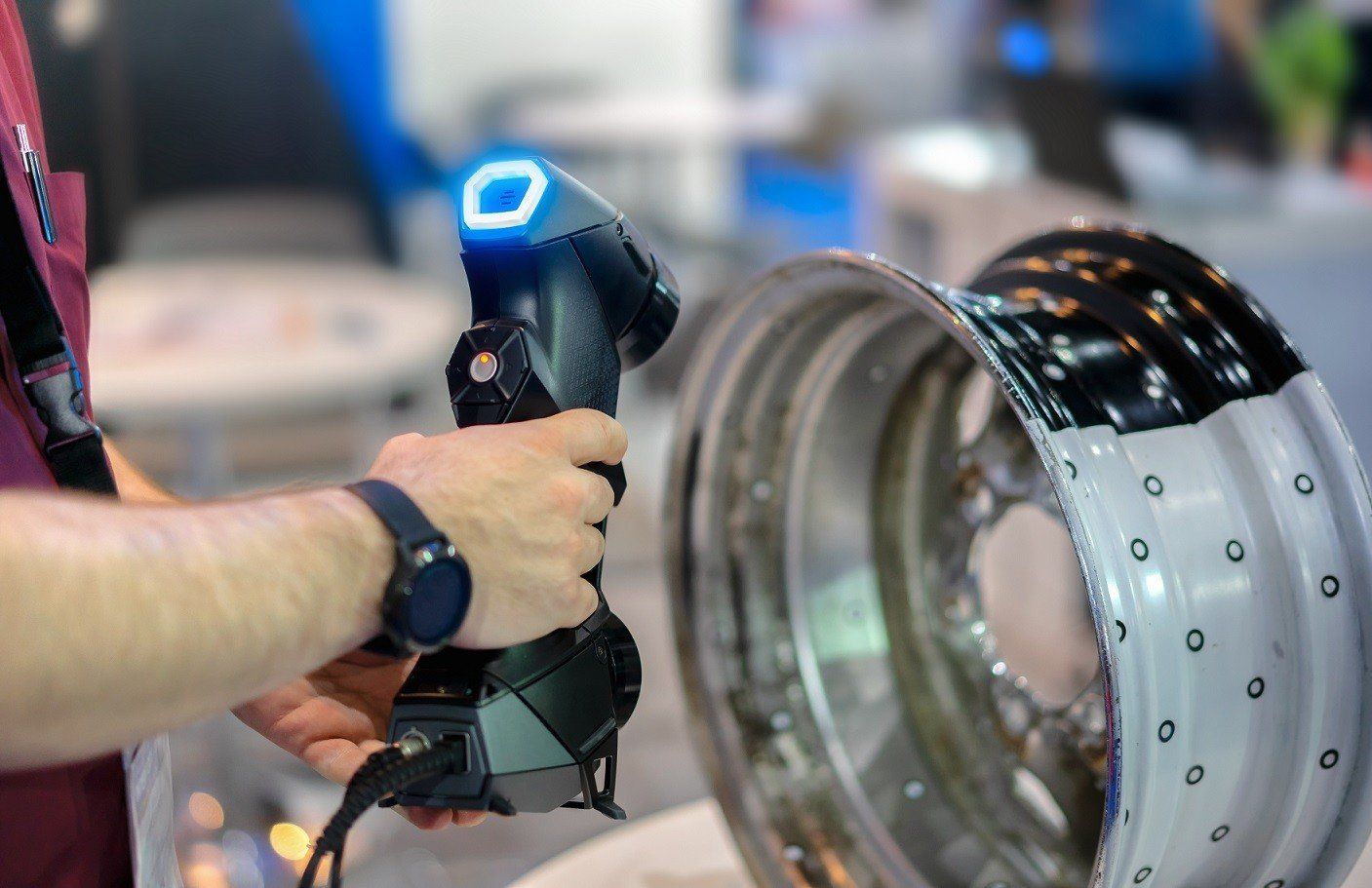
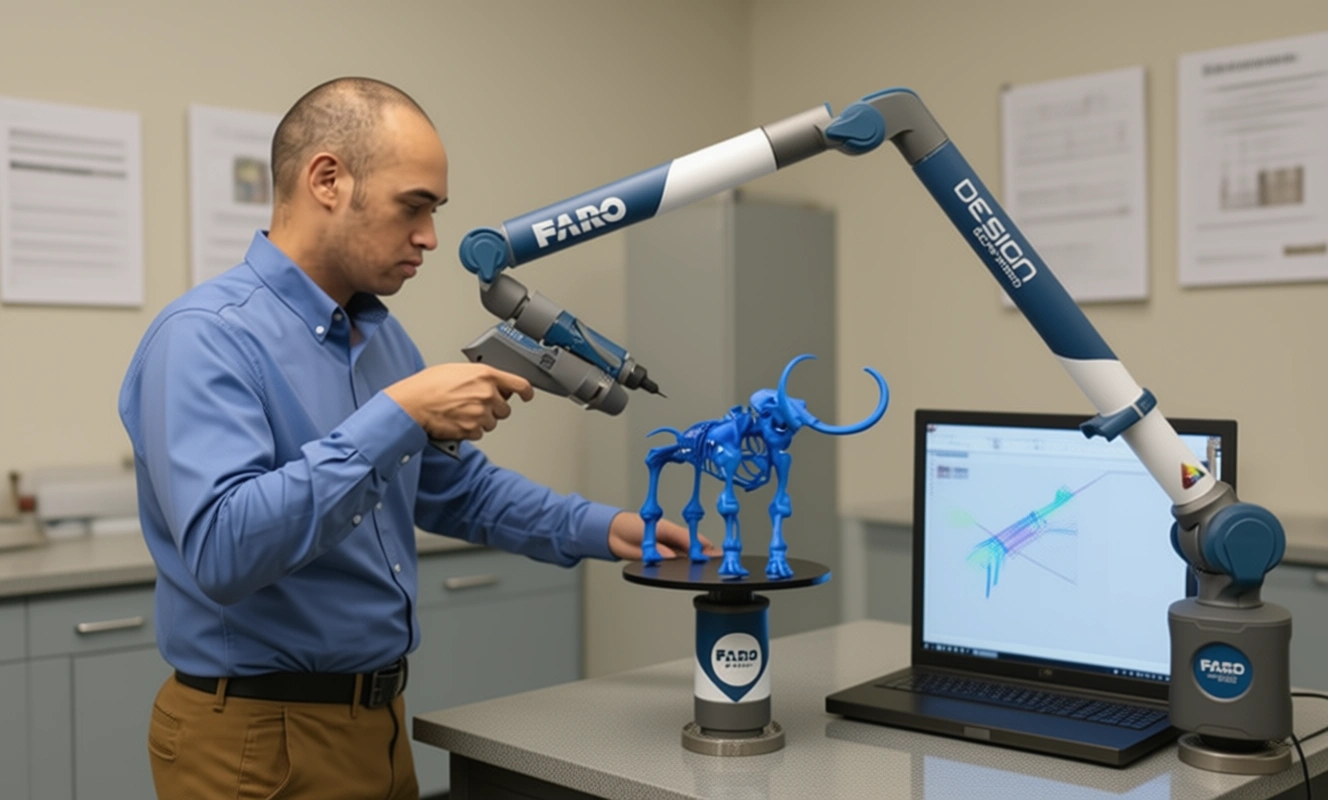
The MAKO GmbH team in Germany has specialised in reverse engineering since 1998. We 3D-scan your component and rebuild it as a clean, editable CATIA model, in V5 or for 3DEXPERIENCE. Learn more about our CATIA service → or contact us for a free quote.

There are no comments